Eating well to properly fuel your body for competition has to be one of the most overlooked aspects of curling for most young teams. To be sure, being fit and ensuring that you get enough sleep during both training and in competition are important too, but it’s difficult to play at your best on championship Sunday when you’re already tired. And it’s hard to concentrate on the game if you’re thinking about lunch.
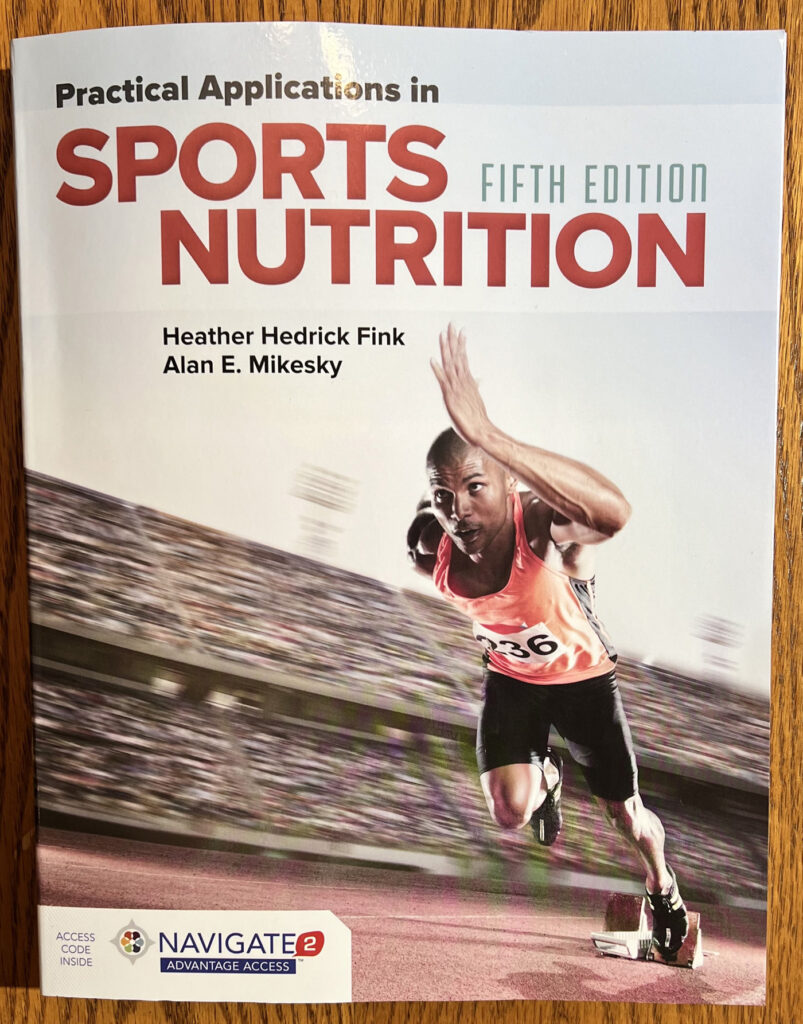
Curling Canada does have resources for coaches to learn about the importance of nutrition for their teams, and a module in the Competition Development program, entitled Health and Wellness, put together by Master Coach Developer Karen Watson RN, is a great place to start. To supplement that module, or to provide some guidance for athletes, there are many books and materials are sports nutrition available and this is one: Practical Applications in Sports Nutrition, by Heather Fink and Alan E. Mikesky. Here, I’ve reviewed the 5th edition of the book, but one can find the more recently-published (2020) 6th edition at Chapters Indigo and the new 7th edition (2023) on Amazon.
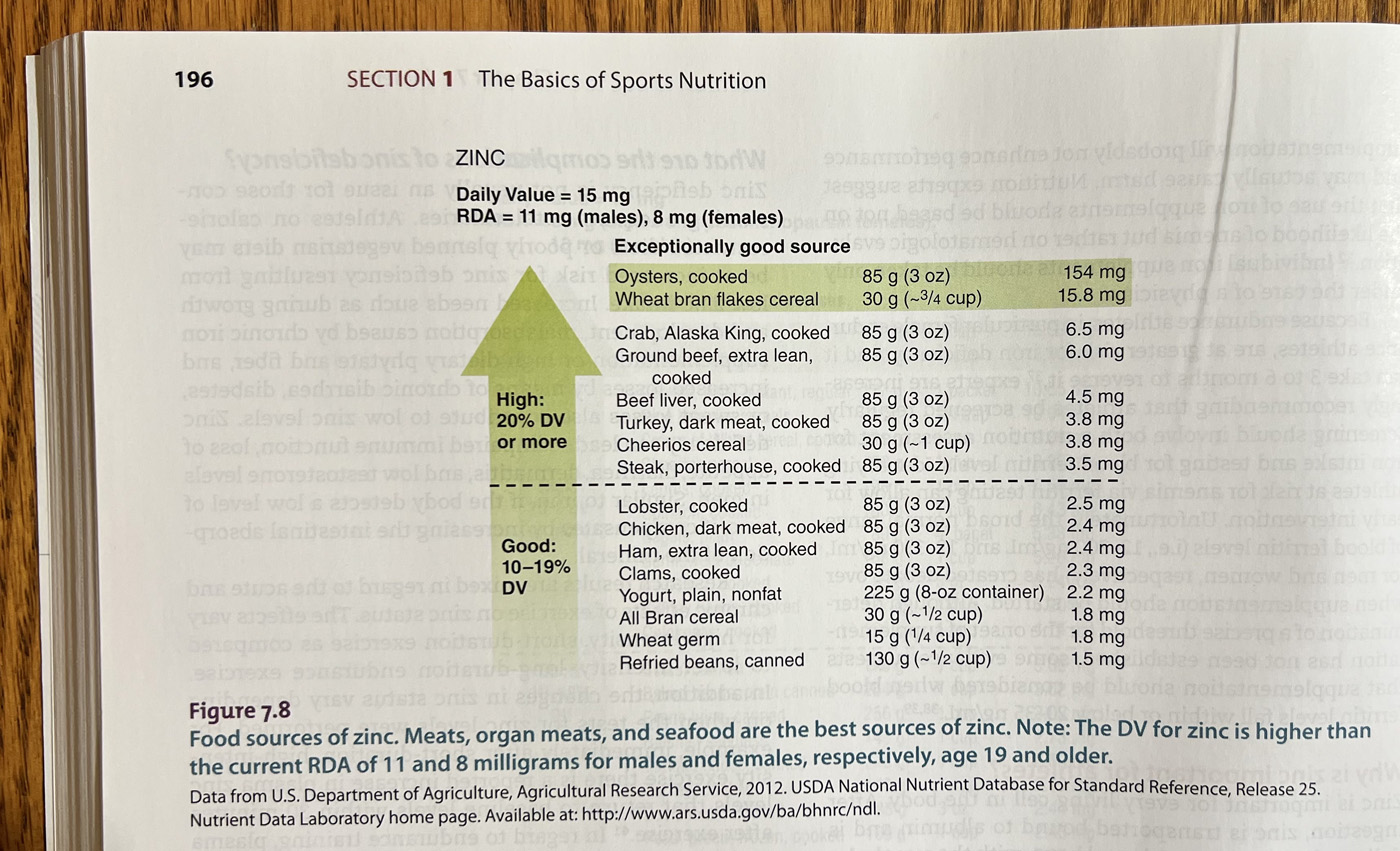
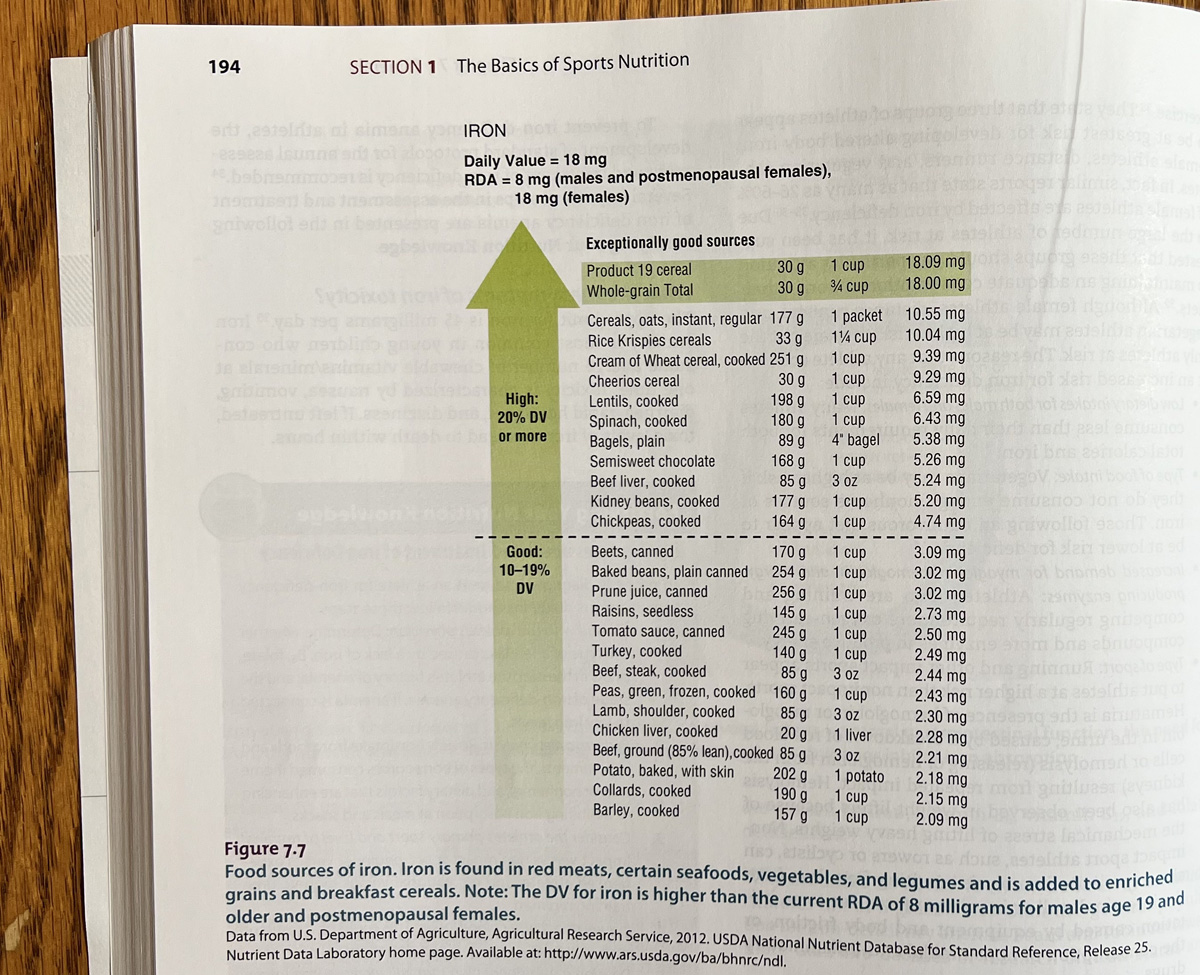
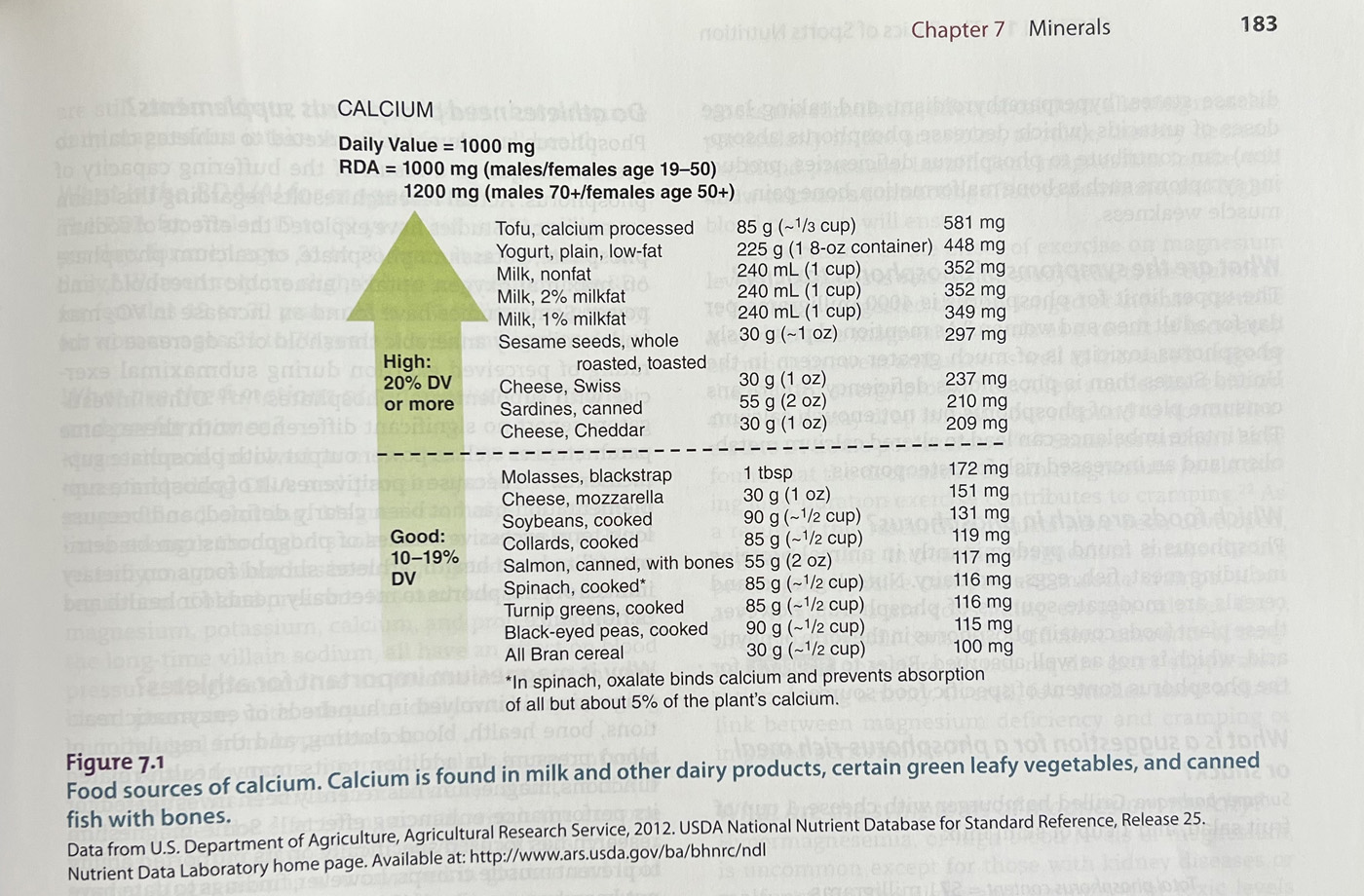
As shown here in these three figures, not only does the text outline the recommended (USA) dietary requirements for minerals, but also includes chapters on vitamins, protein, fats, and carbohydrates along with numerous example foods. What I found somewhat surprising is the clear gap between the recommended FDA values for minerals and the nutritional composition of my own diet. Eating “right” does take some effort.
Additional chapters in the book cover nutritional ergogenic aids (e.g. whey powder, vitamin supplements, and other dietary supplements), and nutritional considerations for special populations, e.g. vegetarians or those people like me who have severe food allergies and need alternative forms of (especially) protein.
Over my coaching career, the majority of the time I’ve spent coaching young women’s teams, and have tried to pay particular attention to the dietary needs of women athletes. There is a proportion of the sports nutrition literature devoted to the female athlete triad: a continuum of disorders that begins with inadequate dietary intake, potentially leading to irregular or abnormal menstrual cycles and, eventually, the potential onset of osteoporosis [4]. Fortunately the triad is more common in sports other than curling, for example long distance running [4], or dance, gymnastics, and cheerleading [1].
However, low energy availability is commonplace in young women [4,6] and young women are particularly prone to deficiencies in calcium, iron, magnesium, zinc, and vitamin B6 [2,3,5]. Young men are not immune to low energy availability either. The chart for zinc, above, indicates how difficult it can be for males to satisfy the minimum USDA daily requirement of 11 mg. It is unsurprising, given today’s relatively expensive prices for fresh fruit and vegetables, for high school and university athletes to incur even greater challenges in getting the nutrients they need to train and compete than in the past.
Team sport covers a variety of sporting situations from strength-based sports, for example, rugby, endurance-based sports, for example, soccer, and skill-based sports, for example, hockey. They are usually characterized by variable activity patterns (e.g., walking, sprinting, running backward, and tackling), with no 2 matches being similar. These variable movement patterns require all 3 energy pathways: aerobic (carbohydrate and fat), phosphagen, and anaerobic glycolysis. This means team sport athletes have a multitude of physiological challenges as well as a variety of nutritional needs which may differ from that of individual sports athletes (e.g., marathon runner). The multicomponent nature of training loads in teams sports makes them more difficult to assess energy expenditure and thus energy needs.
Sharples, Baker, and Black [6, pp. 59]
Energy demands are different on a curling team, too – the obvious example is the contrast between front-end players and the skip. However, it is important to realize that student-athletes need to manage their diet in the context of their entire training and sport programs, particularly if they are multi-sport athletes. Unfortunately, all too frequently athletes fail to pay adequate attention to their nutritional requirements:
Research indicates low intakes of fruits and vegetables, despite adolescents having an increased demand for vitamins and minerals.
Sharples, Baker, and Black [6, pp. 61]
Additional resources to augment the text
Practical applications in Sport Nutrition is intended for use as a textbook; each chapter contains a summary of key points in each, along with an exercise that has the reader assess a hypothetical nutrition scenario with a make-believe athlete, and as a “Nutrition Coach” make recommendations.
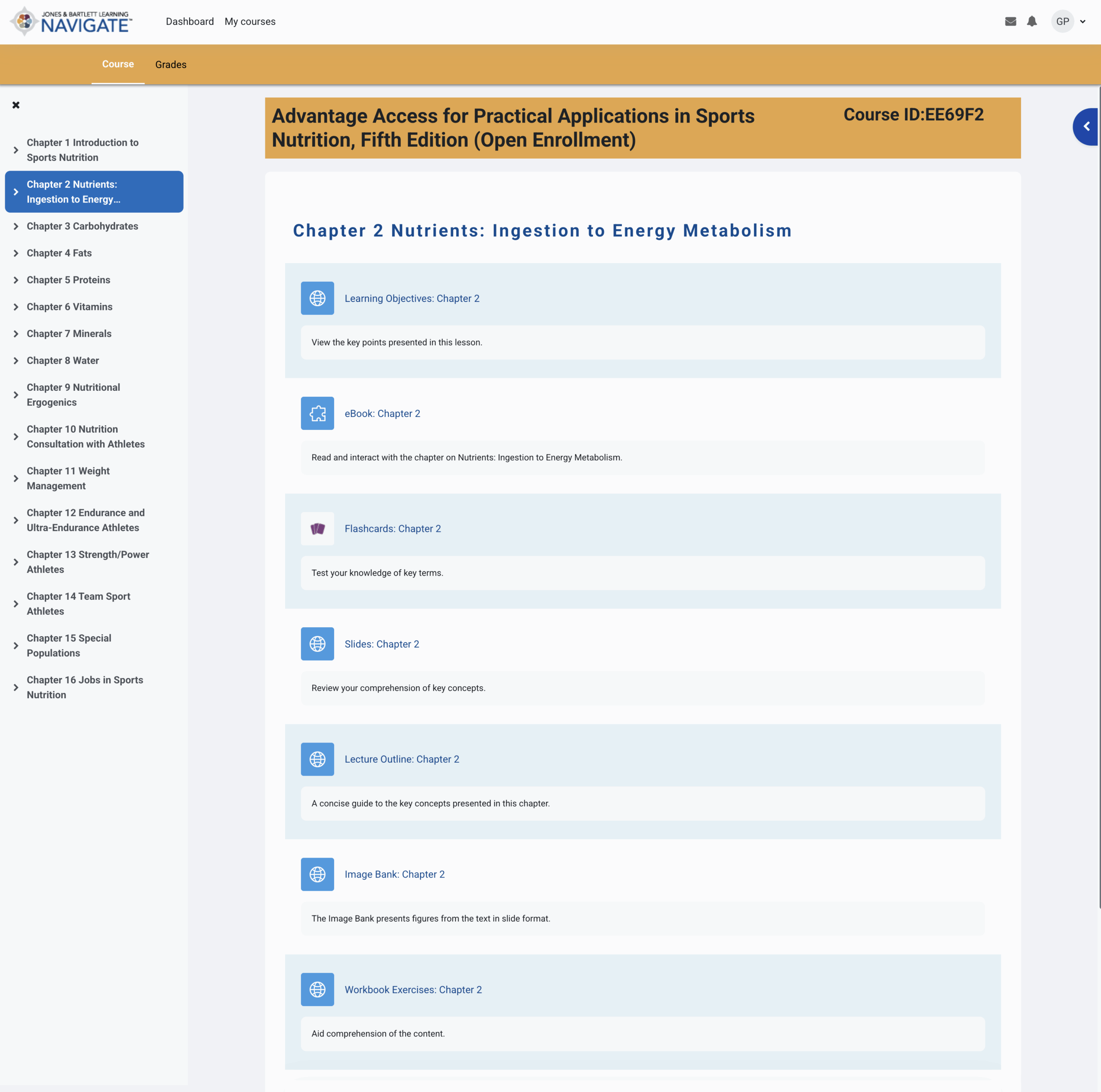
In addition, each copy of the book comes with an access code that permits the reader to access the book’s online materials, including PowerPoint slides, chapter summaries in Microsoft Word format (see image at right), and sample exam questions.
To be clear, a single text is not going to turn any coach into a registered dietitian. And competitive teams can benefit from access to a dietitian as part of their IST (Integrated Support Team). However, this book is a worthwhile introduction to nutrition and will help any coach to raise their awareness of potential nutrition issues that may arise with their team.
References
Most of the references below can be accessed using the link, free of charge.
[1] Escalante, G. (April 2016). Nutritional Considerations for Female Athletes. Strength and Conditioning Journal 38(2), pp. 57-63. DOI: https://www.doi.org/10.1519/SSC.0000000000000203.
[2] E. R. Goldstein (April 2016). Exercise-Associated Iron Deficiency: A Review and Recommendations for Practice. Sports and Conditioning Journal 38(2), pp. 24-34. DOI: https://ww.doi.org/10.1519/SSC.0000000000000202.
[3] Hickson, J. F. and J. Schrader (August 1982). Female Athletes and their Problem Nutrients. National Strength Coaches Association Journal, August-Sept 1982, pp. 20-21. Available at this link.
[4] K. J. Pantano (December 2009). Coaching Concerns in Physically Active Girls and Young Women – Part 1: The Female Athlete Triad. Strength and Conditioning Journal 31(6), pp. 38-43. DOI: https://www.doi.org/10.1519/SSC.0b013e3181c105dd.
[5] Schilling, L. (October 2008). What Coaches Need to Know About the Nutrition of Female High School Athletes: A Dietitian’s Perspective. Strength and Conditioning Journal 30(5), pp. 16-17. DOI: https://www.doi.org/10.1519/SSC.0b013e31816a729a.
[6] Sharples, A., D. Baker, and K. Black (August 2020). Nutrition for Adolescent Female Team Sport Athletes: A Review. Strength and Conditioning Journal 42(4), pp. 59-67. DOI: https://www.doi.org/10.1519/SSC.0000000000000559.